


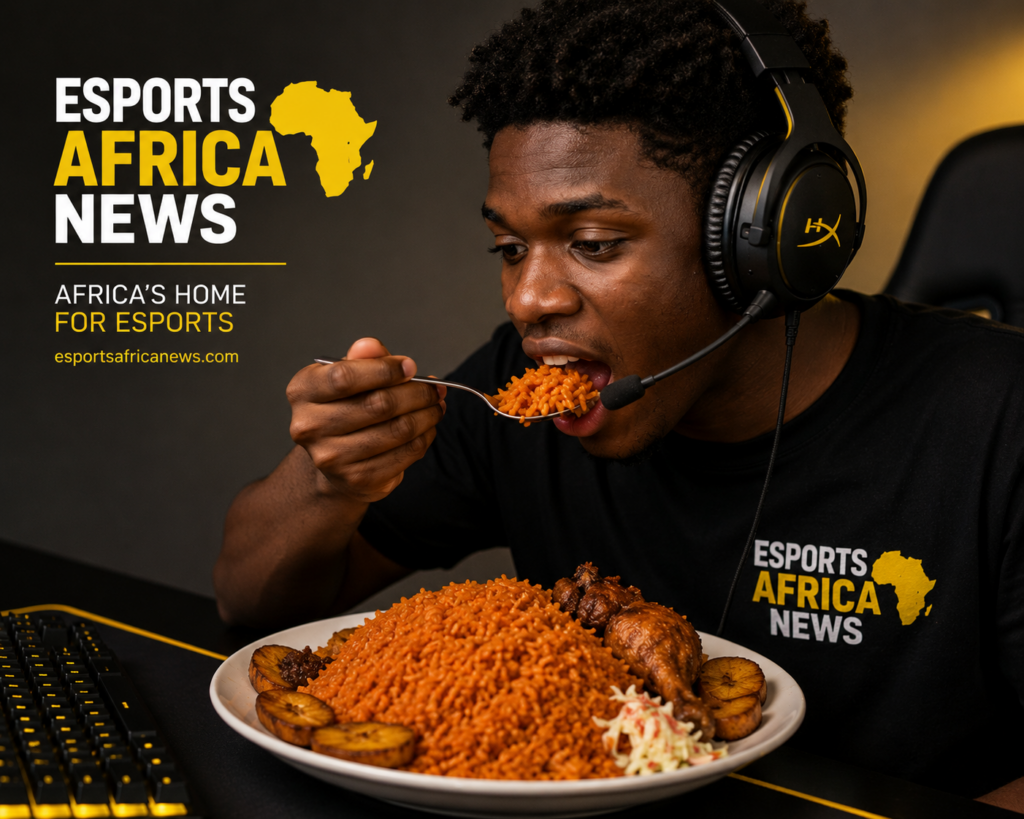
What If Nigeria’s Biggest Esports Growth Tool Isn’t a Gaming PC?
Imagine this.
A parent hears their child wants to attend an esports tournament.
Immediately, questions arise.
“What exactly is esports?”
“Isn’t it just playing video games?”
“Is there any future in it?”
“Why should I support this?”
Now imagine the same event is presented differently.
A family-friendly community gathering.
A networking opportunity.
A youth development platform.
A technology and entertainment showcase.
A social event with food, music, competitions, creators, brands, and yes—gaming.
Suddenly, the perception changes.
This raises an interesting question:
Could familiar cultural experiences like Party Jollof help bridge the gap between esports and mainstream Nigerian society?
This case study explores the possibility.
First, What Exactly Is Esports?
Before discussing food, it is important to understand esports itself.
Esports, short for electronic sports, refers to organized competitive gaming where individuals or teams compete in video games at amateur, semi-professional, and professional levels.
Just like football, basketball, or athletics, esports has:
- Players
- Teams
- Coaches
- Analysts
- Commentators
- Fans
- Sponsors
- Tournament organizers
Globally, esports attracts hundreds of millions of viewers and generates billions of dollars through sponsorships, media rights, merchandise, advertising, and events.
Yet in Nigeria, many parents and non-gamers still struggle to understand what esports truly represents.The challenge isn’t necessarily gaming.The challenge is familiarity.People tend to embrace what they understand.
The Party Jollof Theory
Let’s introduce a concept…
People may not understand esports. But they understand gathering. They understand celebration. They understand community. And they definitely understand Party Jollof. For decades, Party Jollof has been present at:
- Weddings
- Birthdays
- Naming ceremonies
- School reunions
- Football viewing centres
- Community celebrations
The food itself isn’t the attraction. The experience is. People come for connection. Food simply provides the reason to stay. Could esports benefit from the same psychology?

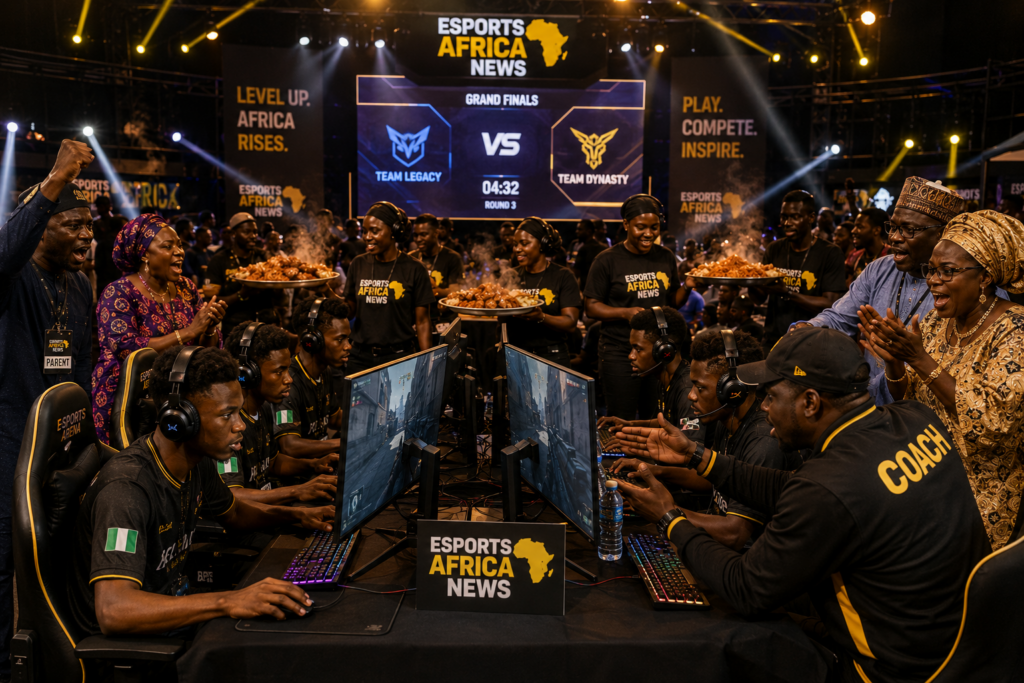
Why Food Has Always Been a Powerful Social Bait
There is a reason every major culture uses food as a gathering tool. Food naturally lowers social barriers. Think about it. Strangers who may never speak to each other at a formal event can suddenly start conversations while sharing a meal. Food creates:
- Comfort
- Familiarity
- Trust
- Interaction
- Longer engagement
In marketing, this is called an engagement anchor. The food isn’t the product. It is the catalyst. The same principle is used by:
- Shopping malls
- Churches
- Conferences
- Sports stadiums
- Political campaigns
- Universities
People gather for one thing. But often stay for another.
How This Could Work in Nigerian Esports
Imagine a local esports tournament in Lagos. Traditionally, only gamers attend. Now imagine the event includes:
- Party Jollof experiences
- Family seating areas
- Local food vendors
- Music performances
- Creator meet-and-greets
- Tech exhibitions
- Student showcases
Suddenly, the audience expands beyond gamers. Parents attend. Siblings attend. Local businesses attend. Community leaders attend. Potential sponsors attend. The gaming remains the centerpiece. But the ecosystem becomes larger. This is how many successful global esports festivals operate. They are no longer just tournaments. They are cultural events.
Parents You Have A Role to Play!
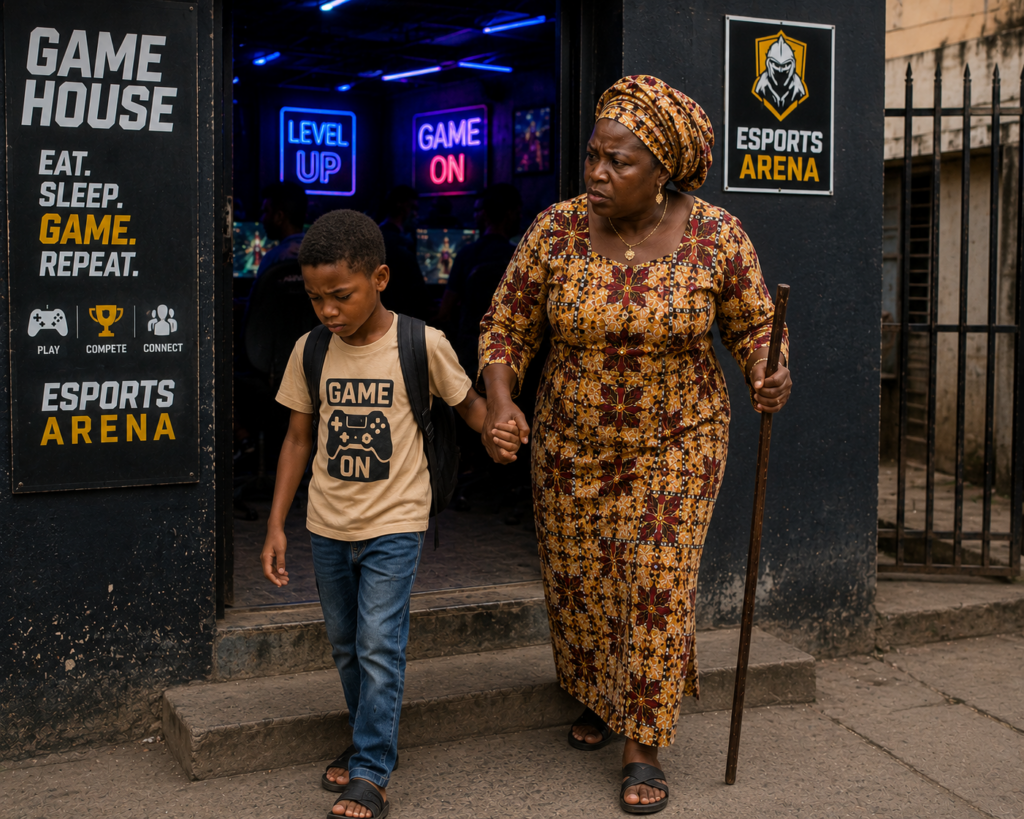
One of the biggest obstacles facing esports growth in Africa is perception. Many parents still see gaming as:
- A distraction
- A hobby
- A waste of time
What they rarely see are the opportunities around esports. Including careers in:
- Broadcasting
- Event management
- Content creation
- Graphic design
- Marketing
- Software development
- Production
- Journalism
- Community management
When parents attend events in person, they begin to understand that esports is not simply about playing games. It is an ecosystem. And ecosystems are easier to understand when they are experienced rather than explained.
The Hidden Opportunity for Brands
This may be where the biggest opportunity exists. Many Nigerian brands hesitate to invest in esports because they do not understand gaming audiences. However, they do understand:
- Food activations
- Consumer experiences
- Community engagement
- Youth marketing
This creates an entry point. A food brand may not understand a Valorant tournament. But they understand:
- Product sampling
- Event sponsorship
- Brand visibility
- Customer acquisition
A rice company. A beverage company. A restaurant chain. A fast-food brand. All can participate without needing deep knowledge of gaming itself. Food becomes a bridge. Not into gaming, But into the gaming audience.
Building an Esports Culture Nigerians Can Relate To Beyond Jollof
The real lesson is bigger than Party Jollof. The lesson is accessibility. The esports industry often assumes everyone understands gaming. They don’t. For esports to grow in Nigeria, it must become relatable to people outside gaming circles. Parents, Businesses, Educators, Government stakeholders, Community leaders. Food is one example of a familiar cultural touchpoint that can help make esports less intimidating and more accessible.
To Close Up The Question,
Can Party Jollof Grow Nigerian Esports?
Directly? No! A plate of Jollof will not create professional players, It will not improve internet infrastructure. It will not increase tournament prize pools. But indirectly?
Possibly. Because, Part Jollof represents something esports desperately needs community, connection, shared experiences. And if Nigeria’s esports ecosystem is going to achieve mainstream adoption, it may need more than gamers. It may need parents, brands, Investors, Communities.
And perhaps the simplest way to bring them together is the same way Nigerians have always done it. Around a plate of Party Jollof, Community does. The strongest gaming ecosystems are often built around recurring social interactions that make players want to return, even when they aren’t competing. Food naturally creates those moments.
Written By Okeke Kenechukwu. A
Esports Journalist | Content Writer
Follow Esports Africa News for daily updates, tournament coverages, stories worth sharing and esports insights across Africa.