From a comeback in Ghana to a run of fixtures in Pretoria, Africa’s phygital organisers are building a competitive calendar of their own. The next step is to give clubs a full season to play for.


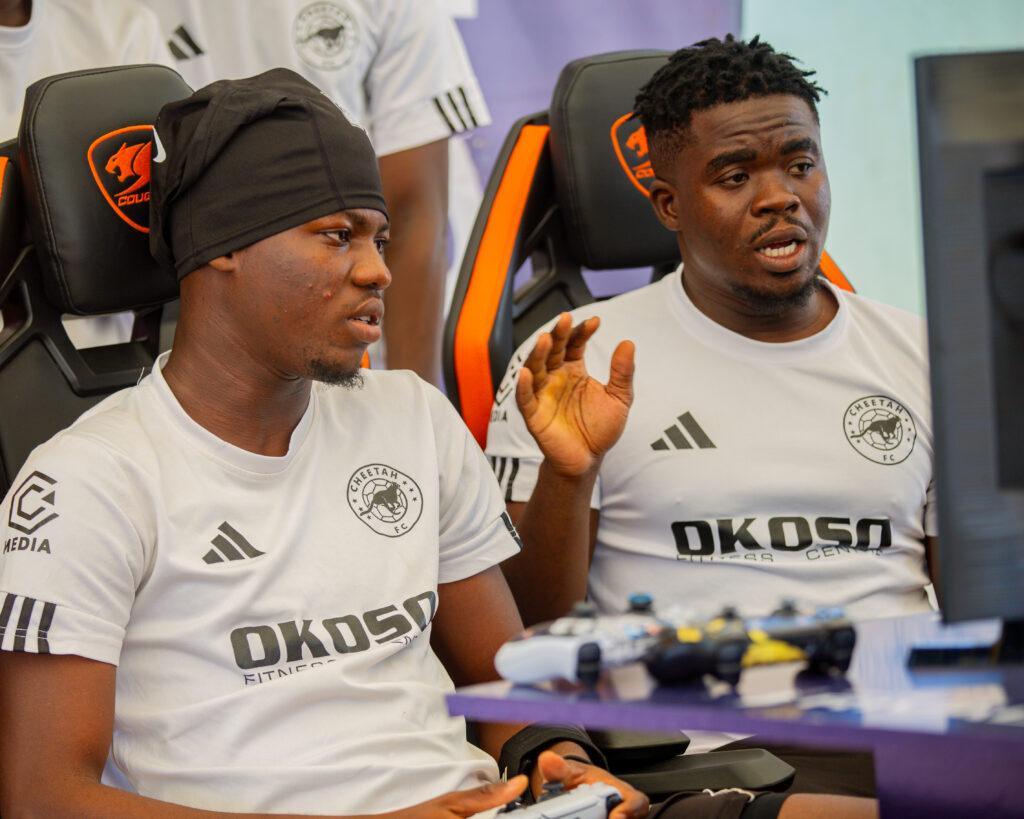
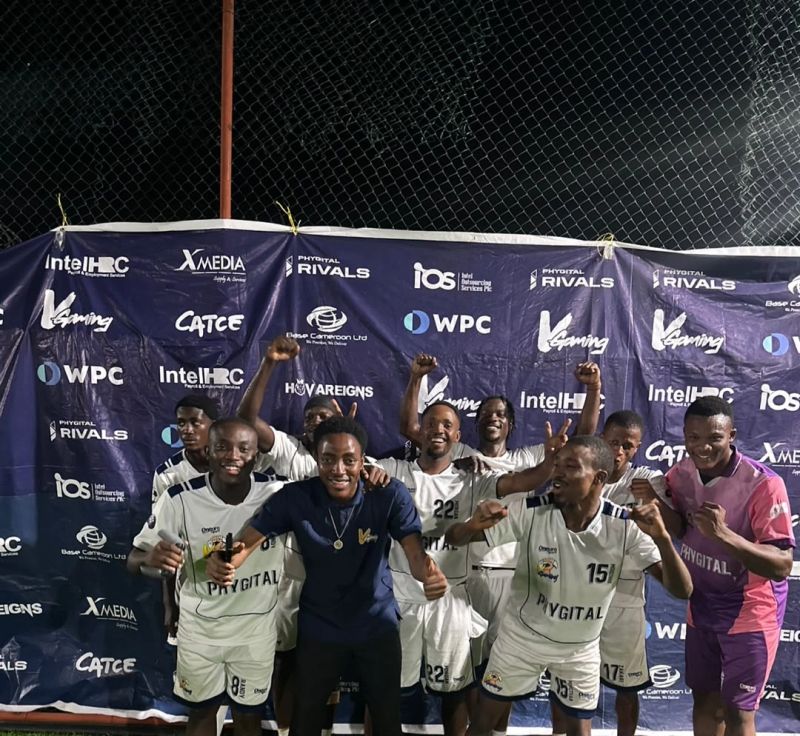
Cheetah FC had already lost to Wonder FC once that day. The score was 4–2 in their opening match at Ghana’s Phygital Football Rivals. When the same teams met in the final at Weija White Cross on 14 November, Cheetah won 3–2. It was a fine comeback and a fitting advert for a sport in which a goal scored with a controller counts alongside one scored in boots.
The format changes the way a club picks its team. How much of a lead can its best console players build? Who can protect it when the match moves to the pitch? A squad that answers both questions has an advantage. A club that can recruit from a gaming lounge and a football academy suddenly has a bigger talent pool than either would have on its own.
Four countries, plenty to play for
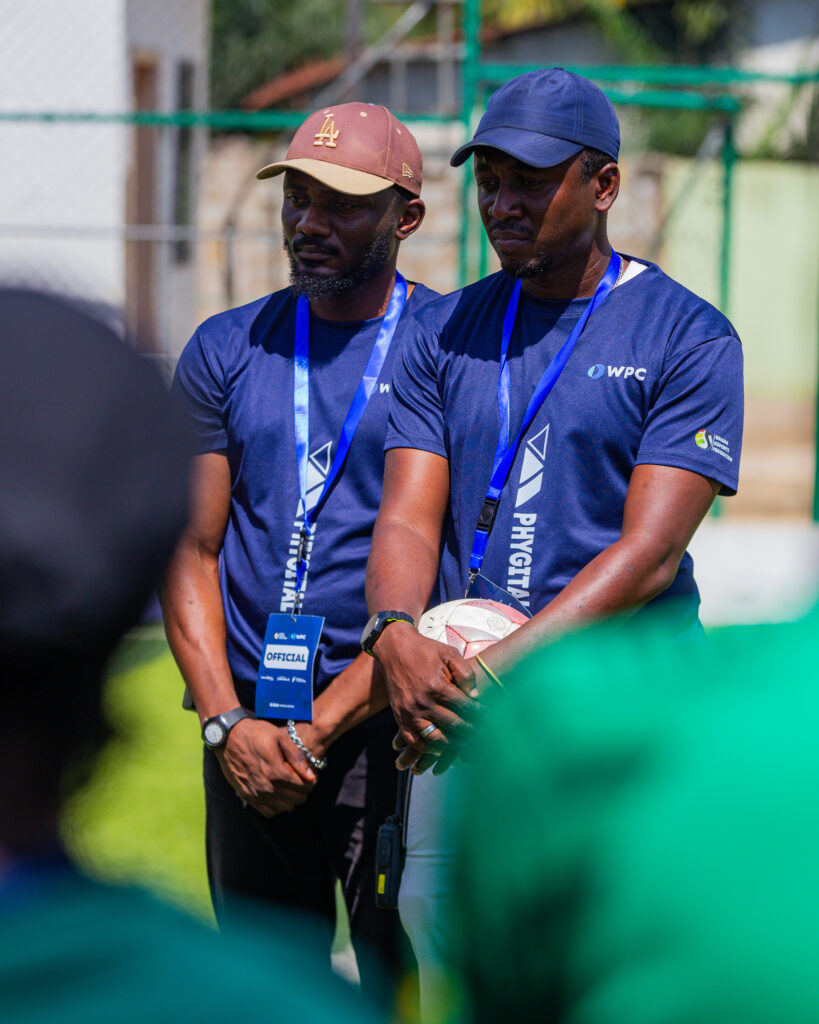
In Cameroon, the Cameroon Association for Technology and Cultural Exchange put three disciplines on its November programme. An online Counter-Strike 2 qualifier opened proceedings. In Yaoundé, football paired UFL on PlayStation 5 with a match on the pitch, while Just Dance gave dancers their own competitive stage. The programme shows how many communities an organiser can bring into the same event.

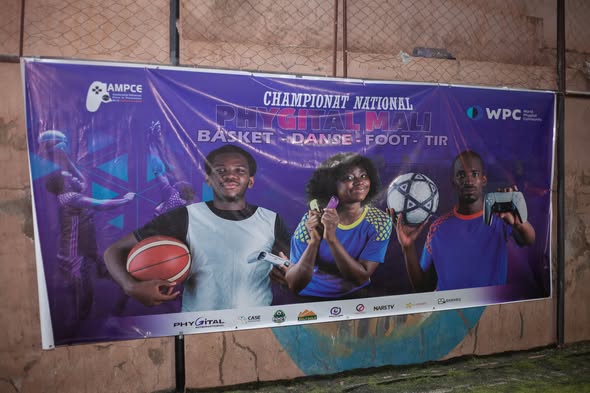
Mali took grassroots football to Kayes and Koulikoro and added dance in Koulikoro. Its clubs already have an international precedent. Aigles Phygital reached the football Contenders in Abu Dhabi, where the field also included Team Santa of Cameroon and Orlando Pirates Fives of South Africa. This season’s entrants can measure their ambitions against clubs from their own leagues and communities.
South Africa has set aside three weekends in Pretoria for basketball, football and dance, beginning with basketball on 28–29 November. Ghana, fresh from its fourth football Rivals tournament, has basketball in Accra on 28 November and dance on 5 December. For players and fans, the dates matter. A rivalry has room to grow when everyone knows when the next game is.


Build the season at home
Phygital sport gives competitive players a practical reason to move. If the goals on the pitch carry the same weight as those on the console, conditioning and physical practice become part of how a team prepares to win. Dance offers an equally direct invitation. Rhythm, coordination and movement are how players compete. For organisers looking to bring more activity into gaming events, the appeal is simple. Players move because the result depends on it.
The larger opportunity belongs to the organisations setting the calendar. A school tournament can introduce new players to the format. A gaming centre and a local sports club can share training sessions. Regular city fixtures can give teams a reason to stay together after a qualifier, while cross-border friendlies can give national champions stronger opposition before they compete abroad. Those are the foundations a club can build on from one season to the next.

International competition gives that work a visible prize. Under the current Games of the Future rules, the top-ranked clubs in football, basketball and dance can qualify directly, while the next group competes for places at Phygital Contenders.
Esports Africa News congratulates Cheetah FC, the national organisers putting these competitions on the map and every African club earning its way towards the global stage. The next international breakthrough could begin with a Saturday fixture in Weija, a practice match in Yaoundé or a new team taking the court in Pretoria. Give those clubs a season worth training for and see how far they go.