


Africa’s esports industry does not lack players, audiences or ambition. What it often lacks are places where competition, business, investment and government can meet. Rwanda is increasingly becoming one of those places.
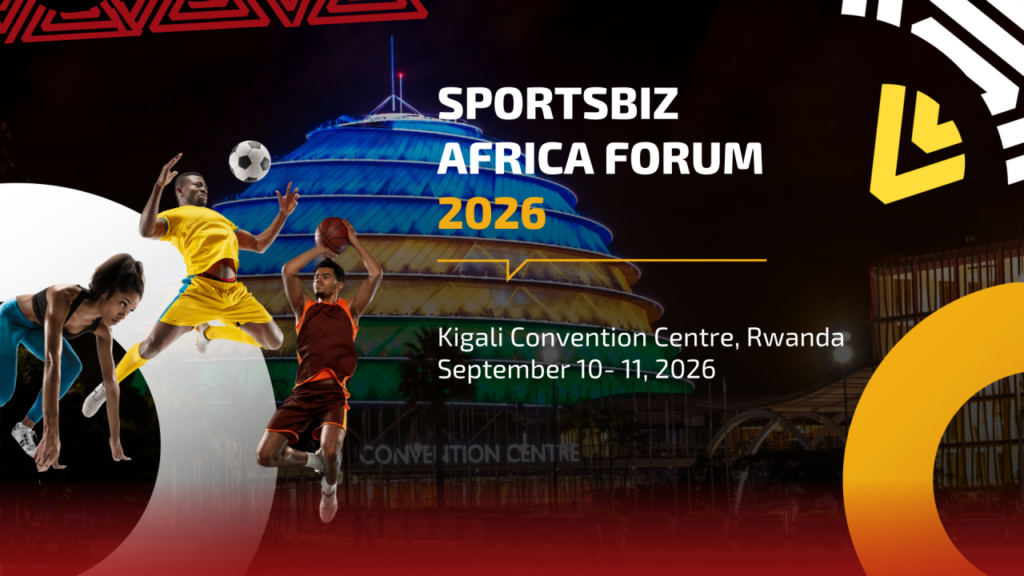
Kigali has spent the past few years building its reputation as a destination for African sport, technology, conferences and international events. Esports is now becoming part of that strategy. The SportsBiz Africa Forum 2026, taking place at the Kigali Convention Centre on September 10–11, offers another indication of how Rwanda is positioning itself.
Esports Africa News reported on the SportsBiz Africa esports programme in 2025. This year looks considerably bigger. More importantly, esports is not being treated simply as an entertaining addition to a sports conference. Competitive gaming is being placed alongside discussions about investment, tourism, broadcasting, sponsorship, artificial intelligence, infrastructure, youth development and the future of Africa’s sports economy.
That distinction matters.
From Competition to Industry
The first SportsBiz Africa Esports Cup brought competitors from eight African countries to Kigali. South Africa’s Zaid April won the competition, while organisers reported more than 19,000 livestream views.
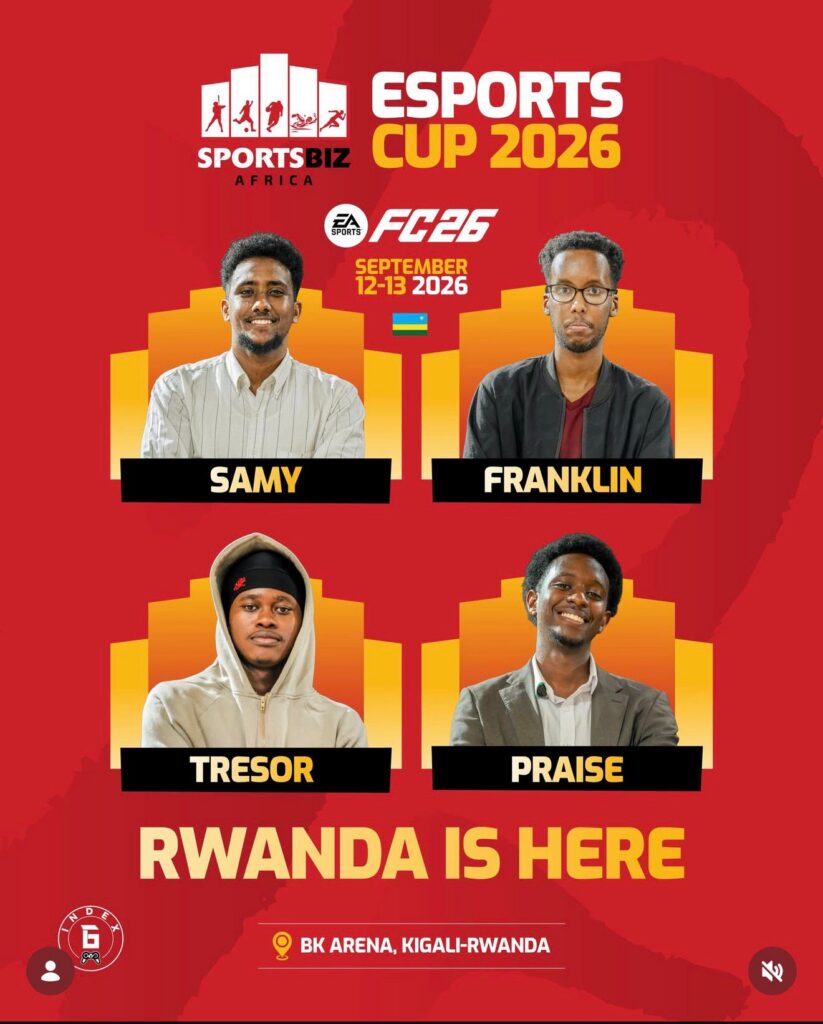
For 2026, the ambition has grown. Rwanda has already staged national competitions at the BK Arena to select representatives for the continental competition. Praise Stevens Nyamwasa won the EA SPORTS FC 26 competition, while Munezero Olivier Hugue secured Rwanda’s eFootball title.
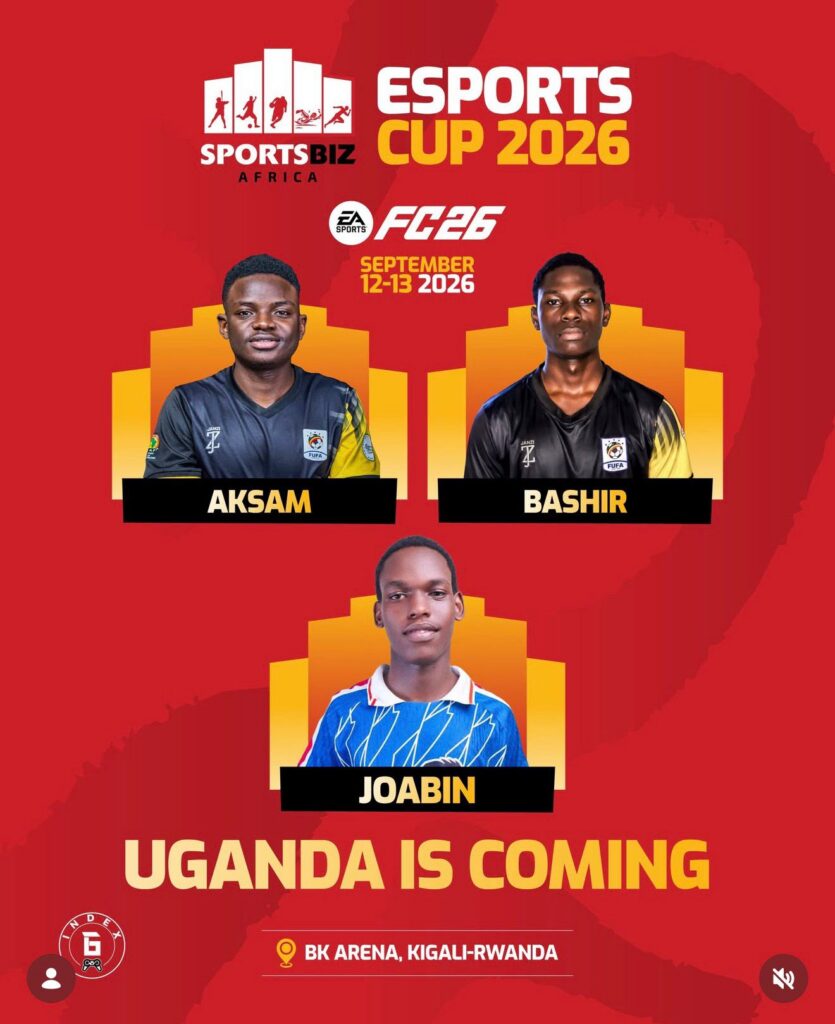
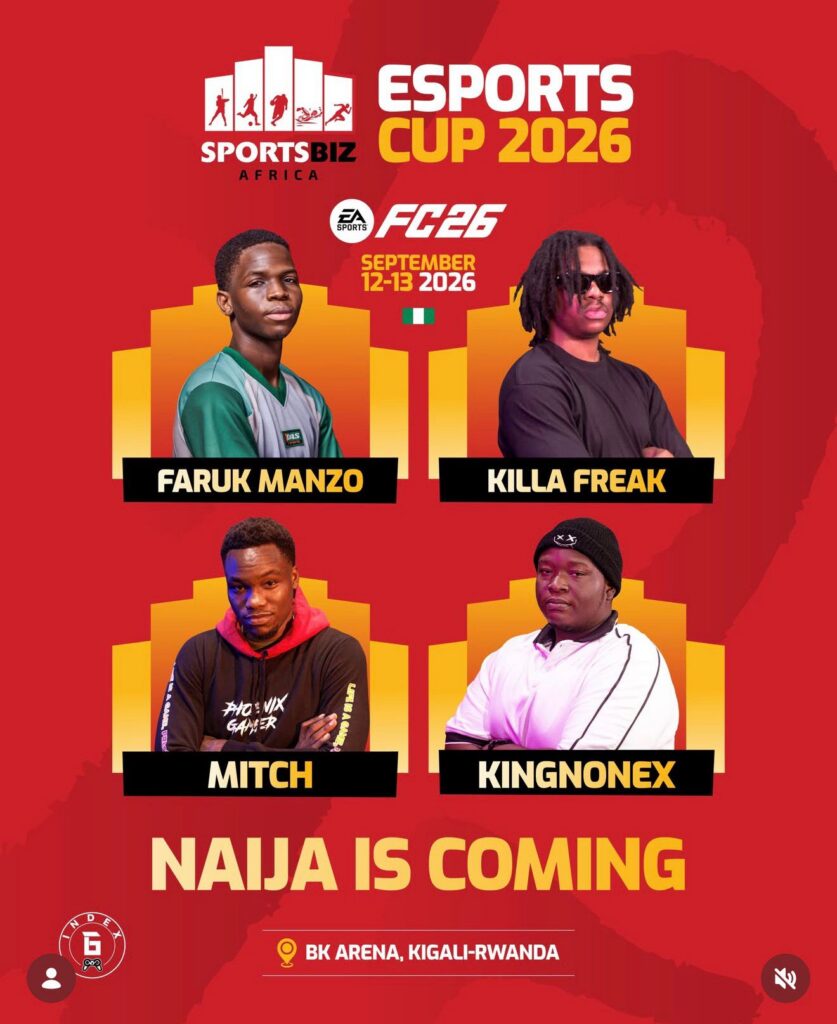
The continental event is also expanding. The EA SPORTS FC competition is expected to bring together 32 professional players competing for a $10,000 prize pool. The eFootball competition carries a further $5,000, with competitors expected from countries including Rwanda, Kenya, South Africa, Madagascar, Nigeria, Côte d’Ivoire, Egypt and Morocco.
These prize pools remain modest compared with the largest international esports competitions. But the more important development is consistency. Rwanda is bringing African esports competition back into a wider sports-business environment for a second year.
Industries are rarely built by one spectacular event. They are built by repetition, infrastructure and relationships.

Rwanda Understands the Bigger Opportunity
The most interesting part of Rwanda’s approach is not that it can host an esports tournament. Many African countries can do that.
The real question is what happens around the tournament.
SportsBiz Africa brings together policymakers, investors, brands, sports executives, entrepreneurs, media professionals and athletes. Esports therefore gains access to people and institutions it has often struggled to reach.
That could ultimately be worth considerably more than another trophy.
African esports has spent years discussing tournaments, qualification opportunities and prize money. All remain important. But a sustainable industry requires commercially viable teams, publishers, tournament operators, broadcasters, creators, venues, payment systems, sponsors, reliable connectivity, data and professional management.
It also requires governments and businesses to recognise that esports sits inside a much larger digital and creative economy.
Rwanda appears increasingly willing to have that conversation.

Esports Has Reached the Business Table
One of the SportsBiz Africa Forum sessions is explicitly titled “The Rise of African Esports.” But the importance of the programme becomes clearer when the other discussions are considered.
The forum will examine sponsorship and brand partnerships, sports broadcasting and journalism, the creator economy, youth and grassroots development, investment, sports tourism, artificial intelligence, data and major-event hosting.
Every one of these subjects has a direct application to esports.
The African conversation therefore needs to move beyond asking how many people play games. The better questions are economic.
How many jobs can esports create? Can African tournaments become commercially sustainable? Can players build careers rather than merely win occasional competitions? Can brands use gaming to reach younger consumers? Can cities attract visitors through esports events? Can broadcasters monetise gaming audiences? Can universities create pathways into game development, production, data and esports management?
And perhaps most importantly: can Africa develop gaming and esports intellectual property that people elsewhere in the world will pay to watch, play and consume?
These are no longer gaming questions. They are business questions.
Kigali is creating an environment in which they can be discussed.

The Kigali Advantage
Rwanda’s advantage extends beyond esports. The country has deliberately positioned sport, tourism, technology and major events as part of its international identity.
That creates useful foundations for competitive gaming.
A city already capable of hosting international conferences and sporting events has many of the ingredients esports needs: venues, hotels, transport, connectivity, hospitality, production expertise and institutional support.
BK Arena adds another dimension.
Putting esports inside a major sporting venue changes how the activity is perceived. A young Rwandan competing in EA SPORTS FC at BK Arena is having a fundamentally different experience from playing the same game at home.
One is gaming.
The other begins to resemble a professional industry.
But Rwanda should not confuse successful events with a completed ecosystem. The next challenge is to move from hosting esports to building esports.
That means regular domestic competitions, stronger clubs and teams, school and university programmes, professional tournament operators and clearer career pathways. It also means developing the people behind the players: producers, observers, commentators, analysts, referees, marketers, lawyers, event managers and commercial executives.
Publishers, technology companies and private investors must eventually become part of that ecosystem too.


Could Kigali Become Africa’s Esports Meeting Place?
Africa does not necessarily need every country to build identical esports infrastructure. It needs strong interconnected hubs.
Johannesburg can play one role. Cairo another. Lagos, Nairobi, Accra, Casablanca and other cities can develop their own strengths.
Kigali has an opportunity to become one of the continent’s leading esports meeting and event destinations.
The logical next step could be an annual Kigali Gaming Week, built around the SportsBiz Africa Forum and the Africa Esports Cup.
Imagine professional competitions at BK Arena running alongside an esports business conference at the Kigali Convention Centre. Publishers could showcase products. African developers could demonstrate games. Investors could meet founders. Universities could compete. Creators could produce content. Brands could test activations. Women-in-gaming programmes and school competitions could widen participation.
People would no longer travel to Kigali simply to compete.
They would travel there to do business in gaming.
That is a much larger economic proposition.
The Real Prize Is What Remains After the Tournament
African esports sometimes measures progress by prize pools. A $5,000 competition becomes a $10,000 competition and is presented as evidence of industry growth.
It is progress, but it is not enough.
The more important questions come after the arena empties.
Did a player secure a professional opportunity? Did a brand commit investment? Did an international publisher find an African partner? Did a tournament operator secure a contract? Did local hotels, transport providers and production companies generate revenue? Did broadcasters acquire content? Were permanent jobs created?
If those answers increasingly become yes, Rwanda will have achieved something more important than hosting another tournament.
It will be building an esports economy.
The SportsBiz Africa Forum 2026 therefore deserves attention beyond Rwanda. It represents an experiment in bringing competitive gaming into the same room as African sport, business, policy, investment and technology.
Rwanda cannot yet be declared Africa’s esports capital. The continent is too large and its emerging hubs too diverse for such an easy title.
But Kigali is making a credible case for something potentially more valuable.
It is becoming one of the places where African esports, African business and African policy can meet.
Africa does not simply need more esports tournaments.
It needs places capable of turning players, audiences and competitions into sustainable businesses.
Rwanda is increasingly showing what one of those places could look like.