Why Chess May Hold Lessons for Africa’s Digital Future
The future of Africa’s digital economy may seem more likely to emerge from artificial intelligence laboratories, software development hubs, or esports arenas than from a traditional chessboard. Yet the relationship between these worlds is becoming increasingly difficult to ignore.
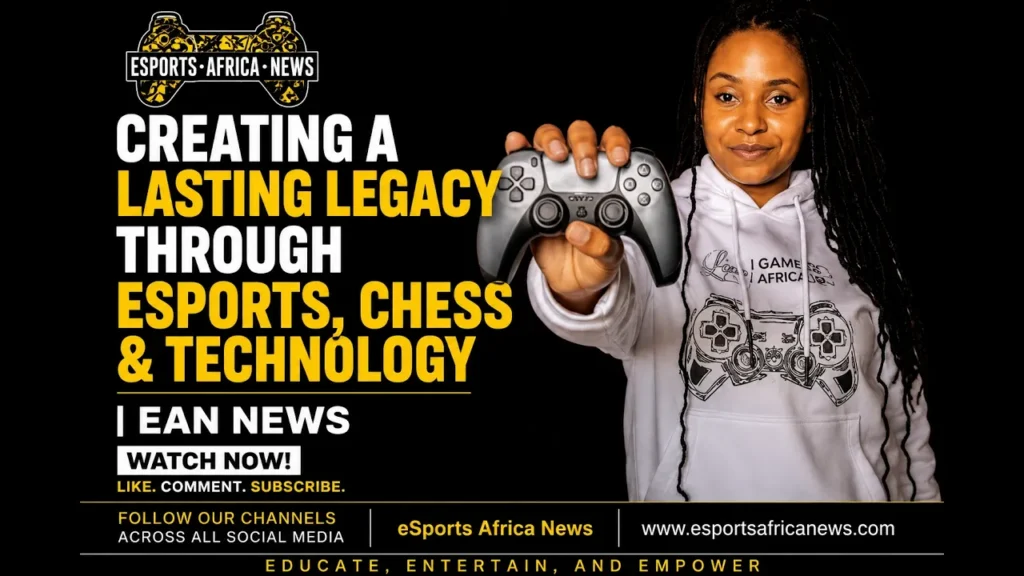
In a recent conversation with Esports Africa News, Magdaline Mumbi reflected on the growing intersection between chess, esports, education, technology, and youth development. At first glance, the connection may appear unconventional. Chess is centuries old; esports is a product of the digital age. One is associated with quiet contemplation, the other with fast-paced competition and global online communities. Yet both are fundamentally exercises in strategy, decision-making, and adaptation.
As Africa seeks to position itself within the global digital economy, these shared characteristics deserve greater attention.
The continent’s demographic advantage is well documented. Africa has the world’s youngest population, a rapidly expanding digital consumer base, and growing access to mobile technology. What remains less certain is how these advantages can be translated into sustainable economic opportunities for future generations. The answer may lie not simply in technology itself, but in the development of the cognitive and creative skills required to use it effectively.
Chess has long been recognised as a tool for cultivating critical thinking, strategic planning, discipline, and problem-solving. These same competencies are increasingly valuable in esports, software development, artificial intelligence, entrepreneurship, and digital innovation. In an economy where automation is transforming industries and technology is reshaping labour markets, the ability to analyse information, anticipate outcomes, and make informed decisions is becoming as important as technical expertise.
This is where the convergence between traditional strategy games and modern digital platforms becomes significant.
Esports is no longer merely a form of entertainment. Around the world, it has evolved into an ecosystem that supports careers in technology, broadcasting, marketing, event management, content creation, software engineering, education, and business development. The industry’s economic footprint extends far beyond competitive gaming. For many young people, it serves as an entry point into wider digital opportunities.
Africa’s esports ecosystem remains in a formative stage, but its potential is substantial. Mobile gaming adoption continues to rise, digital communities are expanding, and a new generation of entrepreneurs is exploring opportunities in gaming, content creation, and technology-driven education. Yet sustainable growth will depend on more than infrastructure and investment. It will require a deliberate focus on talent development and digital literacy.
This was a recurring theme throughout the discussion with Magdaline Mumbi. The most valuable outcome of gaming may not be entertainment itself, but the transferable skills that participants acquire. Whether through chess tournaments, esports competitions, coding initiatives, STEM programmes, or digital learning platforms, young people are increasingly engaging with environments that encourage strategic thinking, collaboration, creativity, and resilience.
Such skills are becoming essential in a workforce increasingly influenced by artificial intelligence and technological change.
The challenge for policymakers, educators, investors, and industry leaders is to recognise these activities as components of a broader development ecosystem. Too often, gaming and esports are viewed solely through the lens of recreation. Yet when connected to education, entrepreneurship, and innovation, they become platforms for economic participation and social mobility.
The countries that succeed in the coming decades will not simply be those that consume technology. They will be those that cultivate the talent capable of creating, managing, and improving it. Africa’s future competitiveness will depend on its ability to nurture strategic thinkers, digital creators, and innovative problem-solvers.
Chess offers one pathway. Esports offers another. Together, they illustrate how traditional forms of learning and modern technological ecosystems can reinforce one another.
The broader lesson is clear. Africa’s digital future will not be shaped solely by devices, platforms, or algorithms. It will be shaped by people. By investing in education, technology, talent, and innovation today, the continent can build an ecosystem that extends beyond entertainment and creates lasting economic and social value.
The conversation with Magdaline Mumbi highlights an important reality: the future of gaming in Africa is also a conversation about education, leadership, innovation, and opportunity.
And that may prove to be the industry’s most important game of all.