Africa’s Comic Revolution: Celebrating the Artists Bringing African Stories to Life
From Zimbabwe to the global creative stage, African comic book artists are redefining storytelling. But talent alone will not build an industry. Africa must invest in its creators, strengthen its communities and turn cultural imagination into sustainable economic opportunities.
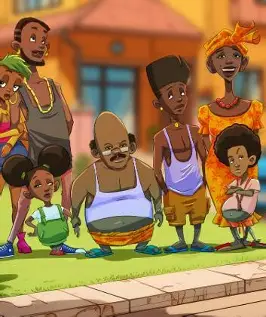
Africa has never suffered from a shortage of stories. From its ancient folklore and legendary warriors to contemporary urban culture, mythology and science fiction, the continent possesses an extraordinary reservoir of creative inspiration. What has often been missing is the infrastructure, investment and sustained audience engagement required to transform these stories into globally competitive intellectual property.
Yet across Africa, a growing generation of comic book artists, animators, illustrators and independent storytellers is challenging that limitation. They are creating original African superheroes, exploring indigenous mythology, building fictional worlds and demonstrating that African imagination deserves a prominent place in the global entertainment industry.
Among these creative pioneers is Zimbabwean comic book artist, animator and storyteller Bill Masuku, whose work illustrates both the enormous potential of African comics and the importance of building a stronger community around the industry.
Masuku’s participation as an exhibitor at the European Film Festival Zimbabwe, held from 28–30 October 2026 in Harare, represents more than an opportunity to display artwork. It highlights the importance of bringing creative talent into spaces where culture, cinema, technology and audiences intersect. The festival’s programme included exhibitions, workshops, screenings and industry discussions across several cultural venues. European Film Festival Zimbabwe+1
Bill Masuku: Bringing African Imagination to the World
For artists such as Bill Masuku, storytelling is more than artistic expression. It is an opportunity to reshape how Africa is represented, understood and experienced through popular culture.
Known for original creations including Captain South Africa and Tokoloshe Hunters, Masuku has developed a creative identity rooted in African characters, cultural references and imaginative storytelling.
His career demonstrates that African comic book creators are capable of competing internationally without abandoning their cultural identity.
Beyond independent comics, Masuku has contributed to major international creative productions, including storyboard work connected to Triggerfish and Disney and Kugali’s animated series Iwájú. His professional achievements also include recognition in Forbes Africa’s Under 30 list in 2022. Durban FilmMart Institute+1
These accomplishments matter.
They demonstrate that African artists are not merely consumers of international entertainment. They are increasingly becoming creators, producers and contributors to global intellectual property.
Masuku’s work also underscores a fundamental opportunity for the continent: African stories can travel internationally when artists have access to the right platforms, professional networks and commercial opportunities.
His involvement in creative communities, including Otaku Konnect, reflects the importance of collective participation in developing an industry that extends beyond individual success.
However, celebrating successful artists must be only the beginning.
A Growing Community That Needs More Than Applause
Across Africa, comic conventions, anime communities, cosplay events, digital art exhibitions and gaming festivals are bringing together thousands of enthusiasts who share a passion for visual storytelling.
From Comic Con Africa in South Africa to emerging creator-led gatherings in Zimbabwe, Ghana, Nigeria, Kenya and other markets, these communities represent an important part of Africa’s wider creative economy.
But the growth of an audience does not automatically translate into the development of a sustainable industry.
Many independent artists face significant barriers to publishing, distribution, professional development and commercialisation. Creating original work can require considerable time and financial resources, while access to publishers, merchandise manufacturers, licensing opportunities and international markets remains uneven.
For an industry that thrives on imagination, these structural limitations can be particularly damaging.
An artist may spend months developing a comic book, only to discover that the greatest challenge is not completing the artwork but finding readers willing and able to purchase it.
This is where the African comic community must evolve.
Engagement must move beyond admiration to participation, and participation must develop into genuine economic support.
Fans need to purchase original comics, attend exhibitions, share creators’ work, support crowdfunding campaigns and participate in conversations around African characters and stories.
Creative organisations need to provide accessible platforms for emerging artists to showcase their portfolios, receive constructive feedback and connect with potential collaborators.
Educational institutions should recognise comic illustration, animation and digital storytelling as legitimate creative career pathways rather than peripheral hobbies.
Meanwhile, investors and entertainment companies must begin viewing African comics not simply as artistic projects, but as potential foundations for commercially viable intellectual property.
Without these connections, Africa risks producing exceptional individual talent without developing the institutions necessary to sustain it.
From Comic Books to Animation, Gaming and Esports
For Games & Esports Africa News, the development of Africa’s comic book ecosystem represents a particularly important opportunity for the continent’s gaming and digital entertainment industries.
The relationship between comics, animation and video games is well established globally. Popular characters and fictional universes frequently move between publishing, television, cinema, merchandise and interactive entertainment.
Africa has the creative foundations to pursue similar opportunities.
Imagine a Zimbabwean comic book character becoming the central figure in an internationally distributed action-adventure game. Imagine African mythology inspiring competitive fighting games featuring characters drawn from the continent’s diverse cultures. Imagine original comic book universes evolving into animated series, mobile games and esports communities.
These possibilities are not dependent on Africa replicating established international entertainment franchises. Rather, they require African creators to develop original characters and narratives capable of sustaining audiences across multiple formats.
Studios such as Leti Arts, Maliyo Games and Kugali demonstrate different approaches to African-inspired digital storytelling and entertainment.
The next stage should involve more deliberate collaboration between comic artists, animators, game developers, publishers and event organisers.
A comic book convention should not operate independently of the gaming industry when both communities share interests in character development, fantasy worlds, digital art, cosplay and fan engagement.
Equally, gaming festivals should provide meaningful exhibition spaces for local illustrators and comic creators.
Such collaboration could allow original African characters to find audiences through gaming experiences, while successful games could create demand for comics, animation and merchandise.
The commercial opportunities are considerable, although their scale will depend on audience development, distribution and the ability of creators to retain and monetise their intellectual property.
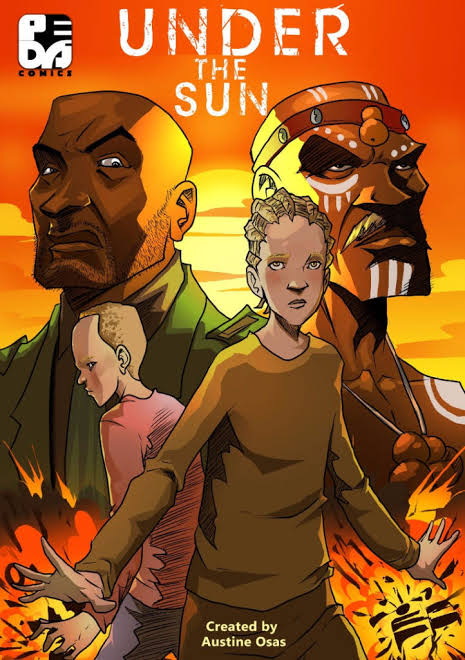
Community Engagement: The Missing Foundation for Sustainable Growth
One of the strongest lessons from the growth of African gaming and esports is that sustainable industries are built around communities, not isolated events.
The same principle applies to comics.
An exhibition may attract attention for a weekend, but what happens when the exhibition closes? Do visitors continue purchasing the artists’ work? Do organisers maintain relationships with exhibitors? Are young creators introduced to mentorship opportunities? Do businesses follow up with potential investment or publishing partnerships?
These questions determine whether events become engines of industry development or remain temporary celebrations.
The African comic community needs greater coordination between artists, fan groups, event organisers, educational institutions, publishers and creative businesses.
Regular artist showcases, portfolio reviews, workshops, community publishing initiatives and cross-border collaborations could strengthen the industry’s foundations.
Digital platforms also offer considerable opportunities. Through social media, webcomics, online marketplaces and creator communities, African artists can reach audiences beyond their immediate national markets.
However, digital visibility alone is insufficient. Creators require effective payment systems, reliable distribution channels, protection of intellectual property and the business knowledge necessary to turn creative engagement into revenue.
Importantly, stronger engagement must include the African audience itself.
Too often, creative success is measured by international recognition rather than meaningful domestic support. While global exposure remains valuable, African comic book creators also need readers, collectors and commercial partners within the continent.
A sustainable African comic industry must be capable of serving African audiences while competing internationally.
Festivals Must Become Platforms for Long-Term Opportunity
The European Film Festival Zimbabwe offers an important example of how cultural events can create space for creative exchange.
Its 2026 edition brought together filmmakers, artists and audiences around film screenings, exhibitions and professional discussions, with activities taking place at venues including the Zimbabwe German Society and Alliance Française. European Film Festival Zimbabwe+2
The presence of creators such as Masuku highlights the value of broadening cultural platforms to include complementary creative disciplines.
Nevertheless, the industry’s next challenge is ensuring that such exposure creates lasting opportunities.
Festivals and conventions could contribute more directly to industry development by facilitating publishing deals, commissioning opportunities, creative partnerships and access to international distribution networks.
They could also measure their impact beyond attendance, documenting how many artists secured contracts, developed collaborations or achieved commercial growth following participation.
This would help demonstrate the economic value of Africa’s creative industries and provide evidence to attract future investment.
For young artists, particularly those without extensive professional networks, these opportunities can make the difference between creative ambition and a sustainable career.
Africa Must Own and Invest in Its Stories
The African comic industry is not simply a cultural movement. It is an emerging intellectual property economy.
Original characters and stories can support publishing, animation, licensing, merchandise, digital entertainment and educational content. With sufficient investment and commercial expertise, these creative assets can generate value across multiple sectors.
Yet the ownership of African creative intellectual property must remain central to the conversation.
As international interest in African storytelling grows, creators need stronger access to legal advice, fair commercial agreements and the resources required to negotiate effectively.
The ambition should not be limited to supplying artwork and creative services to international productions.
Africa should also build companies capable of developing, owning, distributing and monetising original African franchises.
This is why supporting comic book artists is a strategic investment in the continent’s wider digital creative economy.
The artist drawing a character today may be creating the foundation for tomorrow’s animated series, video game franchise or internationally recognised entertainment brand.
The opportunity is real, but it requires deliberate action.
The Next Chapter Belongs to Africa’s Creative Community
Bill Masuku’s journey offers an inspiring reminder of what African creativity can achieve when talent, persistence and opportunity intersect.
His work celebrates African identity while demonstrating that locally inspired stories can resonate far beyond national borders.
But the future of African comics cannot depend solely on a handful of successful artists.
It requires an ecosystem capable of discovering new talent, nurturing audiences, supporting independent publishers, attracting investment and creating pathways between comics, animation, gaming and other creative industries.
For Games & Esports Africa News, supporting this ecosystem means recognising comic book artists as essential contributors to Africa’s growing digital entertainment landscape.
Their characters, ideas and fictional worlds have the potential to influence the next generation of African games, animation and interactive experiences.
The challenge now is to build a community strong enough to support that ambition.
Africa does not need permission to tell its stories. It needs the platforms, audiences and investment to ensure those stories are seen, celebrated and commercially sustained.
As we celebrate Bill Masuku and the many artists bringing African imagination to life, the message to fans, organisers, investors and creative institutions is clear: attend the exhibitions, buy the comics, support the artists, champion original African characters and create opportunities for the next generation.
Because the future of African comics will not be determined by how many talented artists the continent produces, but by how effectively it supports them.
The stories already exist. The talent is already here. Now Africa must build the industry they deserve.
Games & Esports Africa News — Educate • Empower • Entertain
#AfricanComics #AfricanCreatives #BillMasuku #AfricanAnimation #AfricanGaming #CreativeEconomy #AfricanStorytelling #EsportsAfricaConnect #Ubuntu