Bridging the Gap: What Ghana’s Esports Dialogue Revealed About Growth, Recognition, and the Future

By Esports Africa News Team
The Ghanaian esports community recently came together in a powerful dialogue focused on one thing, progress.
Sparked by new developments in Ghana’s gaming scene, the conversation wasn’t just another roundtable chat. It was a much-needed deep dive into the structure, identity, and direction of esports across the country and, by extension, the continent.
Here’s what went down, what was said, and what the future could look like.

Setting the Scene: Why This Dialogue Mattered
With esports gaining traction globally and in Ghana, questions have started popping up:
- What’s the difference between a federation and an association?
- Why is legal recognition necessary in the first place?
- Who should athletes align with, and how do we avoid constant fragmentation?
These questions were put on the table in a special session moderated by a community rep and featuring two key voices:
- Kalvin – Regarded as a thought leader and authoritative voice in space.
- Samuel – A rising esports athlete offering insights from the frontlines of gameplay.
1. Why Legal Recognition is a Game-Changer
The first issue raised was fundamental:
Why do esports bodies need to be legally recognized? Why not just keep things casual and grassroots?
Calvin answered clearly:
- Legal status brings structure, credibility, and access to funding.
- It ensures better regulation, enables stakeholder collaboration, and opens doors to national and international partnerships.
- Without it, growth becomes messy, informal, and vulnerable to setbacks.
His verdict?
Structure isn’t optional. It’s essential.
2. Teams, Federations, and the Confused Athlete
Samuel highlighted the reality for many players: It’s no longer enough to simply “pick up a controller and play.”
Today’s competitive scene demands:
- Being part of a team
- Which belongs to an association
- Which ideally connects to a recognized federation
The problem?
Many players don’t know who to trust, where to belong, or which structure to follow. This confusion is causing disunity and slowing the community’s growth.
3. Federation vs. Association – What’s the Big Deal?
Another major topic? Terminology and titles.
What’s the difference between a federation and an association?
Do we need both? Does the name even matter?
Key Takeaways:
- Federation: Usually a government-recognized national governing body.
- Association: Often specialized or regional, operating under or alongside a federation.
- Ideal structure:
Federation → Associations → Teams → Communities
Yes, naming conventions matter—especially when aiming for national alignment and international representation. Using names like “Ghana Esports Federation” vs. “Ghana Gaming Association” sends very different signals.
4. The 2026 Nations Cup & the Urgency of Organization
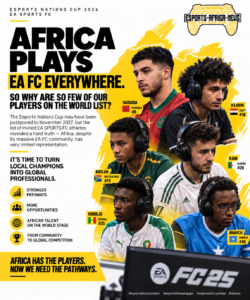
The conversation also spotlighted the upcoming 2026 Esports Nations Cup, which will require national-level representation.
Without a clear and recognized esports hierarchy in Ghana:
- Opportunities will be missed.
- Talented players may be left behind.
- Ghana’s national visibility in esports will suffer.
5. Defining Real Collaboration in the Esports Industry
One of the session’s spiciest points?
The difference between help, collaboration, and partnership.
Here’s how it breaks down:
- Help = Occasional support or favors
- Collaboration = Working together, usually temporarily
- Partnership = A structured, mutually beneficial agreement with shared goals and outcomes
Too often, collaborations in Ghanaian esports are based purely on personal relationships, without contracts or clarity. That needs to change — especially as the scene grows and money enters the picture.
Recommendations: What Needs to Happen Next
A. Create a Knowledge-Sharing & Dispute-Resolution Hub
- A shared community resource center where stakeholders can:
- Access education
- Review contracts
- Resolve disputes
- Gain mentorship from industry veterans like Calvin and Samuel
- Access education
B. Let Federations Lead… But Lead Properly
- Federations should:
- Engage grassroots communities regularly
- Provide clear alignment frameworks
- Help facilitate partnerships and global competition access
- Engage grassroots communities regularly
C. Douse the Bushfires, Build the Bonfire
- Right now, Africa’s esports efforts are scattered and disjointed — described as “bushfires” with no big flame.
- What’s needed is unity, coordination, and a singular bold presence to put African athletes on the world stage.
Final Thoughts: Turning the Talk Into Action
As Calvin and Samuel emphasized — this isn’t just about gaming. It’s about building a real industry.
From player development to governance structures and international collaboration, the future of African esports hinges on intentionality, education, and unity.
More dialogues like this are essential — not just in Ghana, but across Africa. And Esports Africa News will be right here, capturing every moment.
Get Involved
Want to help shape the future of esports in Ghana and Africa?
- Visit: www.esportsafricanews.com
Follow: @esportsafricanews_ng